A Stay That Sparked a Question: What Is Outdoor Hospitality?
DURING A RECENT STAY AT WHAT I CONSIDER TO BE AN OUTDOOR HOSPITALITY DESTINATION, A DEBATE TOOK PLACE ABOUT WHETHER WE WERE AT A HOTEL, A GLAMPTUARY, OR A OUTDOOR HOSPITALITY DESTINATION, OR…SOMETHING ELSE.
AS THE CONVERSATION WANDERED, I REALIZED THERE WASN’T A CLEAR ANSWER.
At the entrance to The Garden of the Gods in Colorado Springs, CO
The Garden of the Gods is one of the most beautiful parks I’ve seen in Colorado. If you find yourself in Colorado Springs, CO… I highly suggest you plan a day to visit this park.
What drew us to Colorado Springs though, was not the park.
It was a hospitality destination that shares the same name. It’s called The Garden of the Gods Resort and Spa, and I’d like to start by saying that this is a lovely hotel, or resort, or maybe an outdoor hospitality destination, possibly a landscape hotel, with potential to be a Glamptuary.
If you look at their homepage, it screams outdoor hospitality destination.
I’m still not sure what category this resort (I’ll use their word) falls into. I am also not sure if it has to fall into any other specific category other than resort. But I think there is an argument to be made that it is an outdoor hospitality destination.
There are plenty of curated experiences offered to guests that are designed for the outdoors. This says outdoor hospitality to me.
According to the resort map, there is definitely an outdoor flow to the design which to me, says outdoor hospitality.
Garden of the Gods Resort Map
There are cottages and casitas. And guests definitely need to go outside to get around the resort. Is this outdoor hospitality?
I must say that the terms ‘cottage’ and ‘casita’ may not be 100% accurate.
A cottage is defined as a small detached dwelling unit at an institution.
A casita is defined as a small house.
The cottages and casitas at this resort are not aligned with how the dictionary defines them to be.
The ‘cottage’ we were staying in had adjoining rooms on either side. The ‘casitas’ were the same design…just smaller.
And this is what sparked the debate about whether we are staying at a GLAMPTUARY…or at a hotel that operates as a resort.
I’ll give credit to the wife for starting this debate. Her point was valid. We were not staying in a cottage. We were staying in a detached collection of hotel rooms.
Is Garden of the Gods Resort and Spa (GOGRS) misrepresenting themselves by saying they offer cottages and casitas? Feels like it.
Does this remove the Glamptuary designation? Yes.
Does this mean they are not an outdoor hospitality destination?
If I take the perspective of evaluating GOGRS as a Glamptuary…then the answer is clear. GOGRS is not a Glamptuary.
To be a true GLAMPTUARY, there must be glamping structures along with curated on-site experiences, all designed to enhance the connection between humans and the surrounding nature.
Because GOGRS is not a Glamptuary, I did not write an official review. But I’ll say it again, we thoroughly enjoyed our stay.
I don’t think ‘resort’ is the right word either though for GOGRS. Maybe ‘landscape hotel’, as defined by Sage Outdoor Advisory? Sage uses these defining characteristics for the landscape hotel category:
Minimal Environmental Impact: Many are built using eco-friendly materials like reclaimed wood, stone, and glass, and are often elevated on piers to reduce land disturbance.
Architectural Integration: The design reflects the natural topography, ensuring the hotel blends rather than disrupts.
Sustainable Energy Practices: Many incorporate solar panels, passive heating/cooling, and water-efficient fixtures.
Immersive Nature Experiences: Floor-to-ceiling windows, outdoor decks, and rooftop stargazing areas invite guests to interact with the environment in a meaningful way.
GOGRS checks all of these boxes to a certain degree. So maybe landscape hotel is the correct category instead of resort?
Is a landscape hotel the same as outdoor hospitality? I believe so.
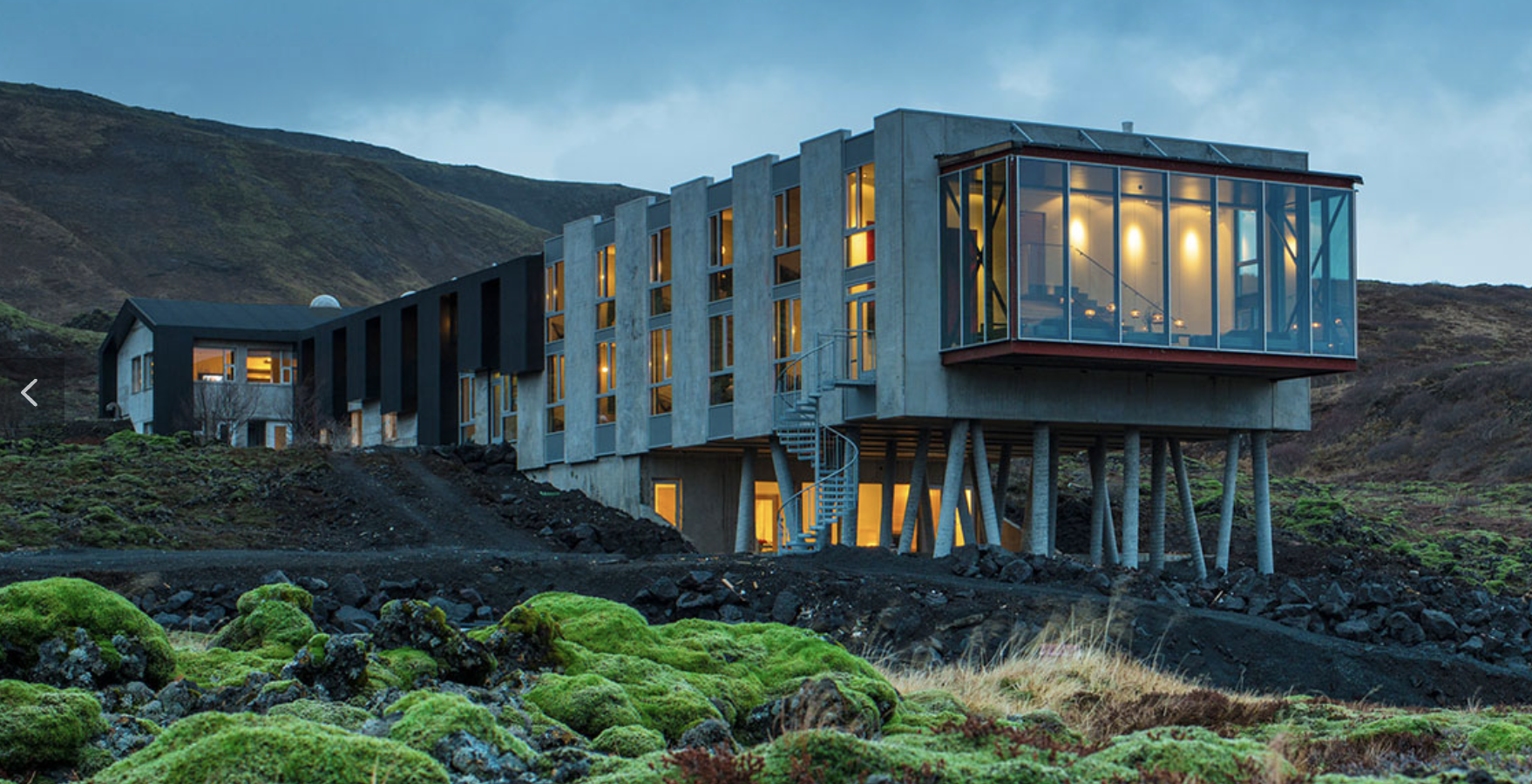
Ion Adventure Hotel in Iceland, part of the Marriott Collection
An RV park can be considered a outdoor hospitality destination. An RV park is not a landscape hotel.
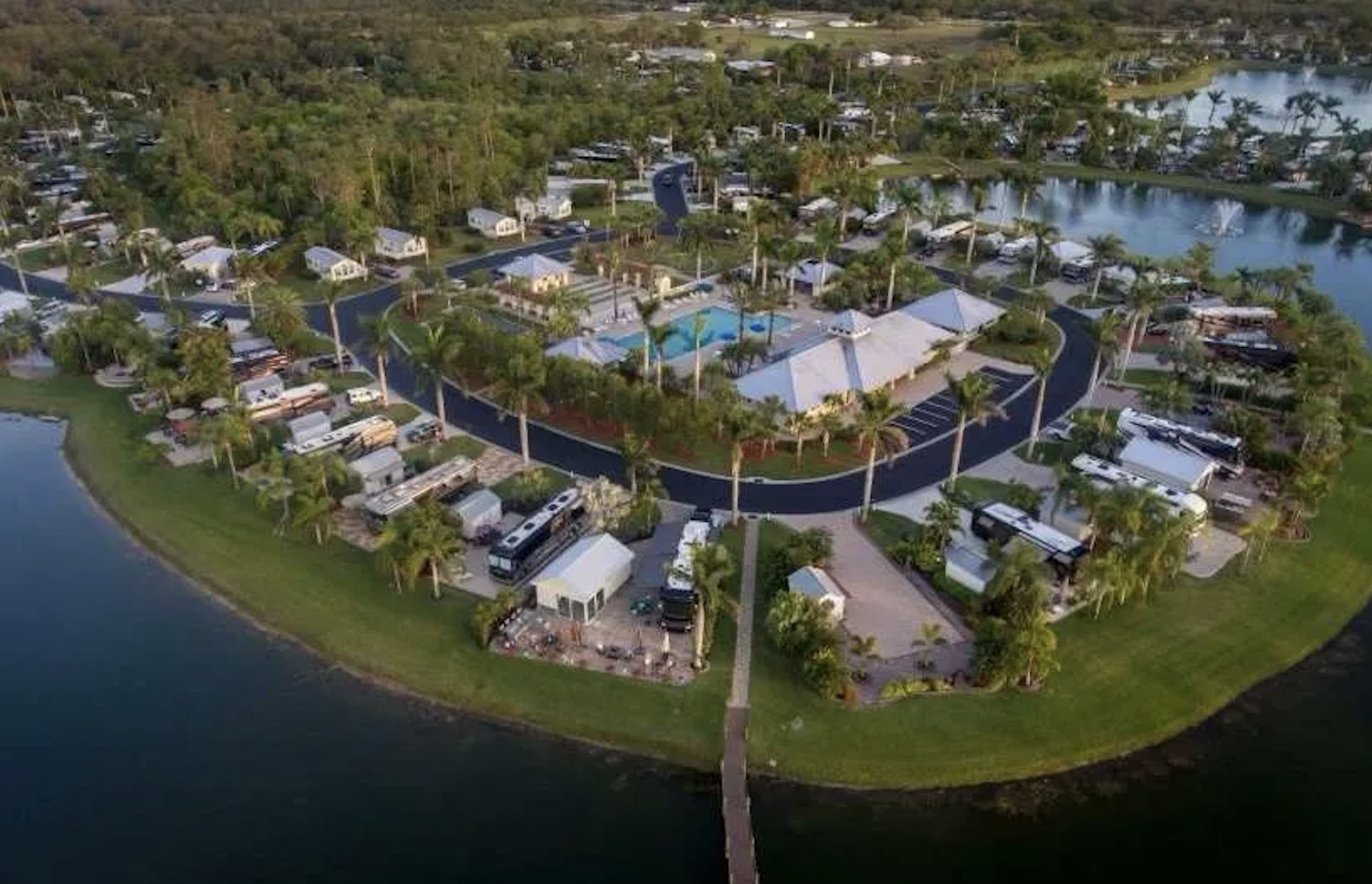
Riverbend Luxury RV Resort in Florida
A glamping resort can be considered a outdoor hospitality destination (and also a Glamptuary).
A yurt on Airbnb is not an outdoor hospitality destination. Definitely not a Glamptuary. Why? In my humble opinion, there needs to be more than a sleeping structure to qualify for hospitality.
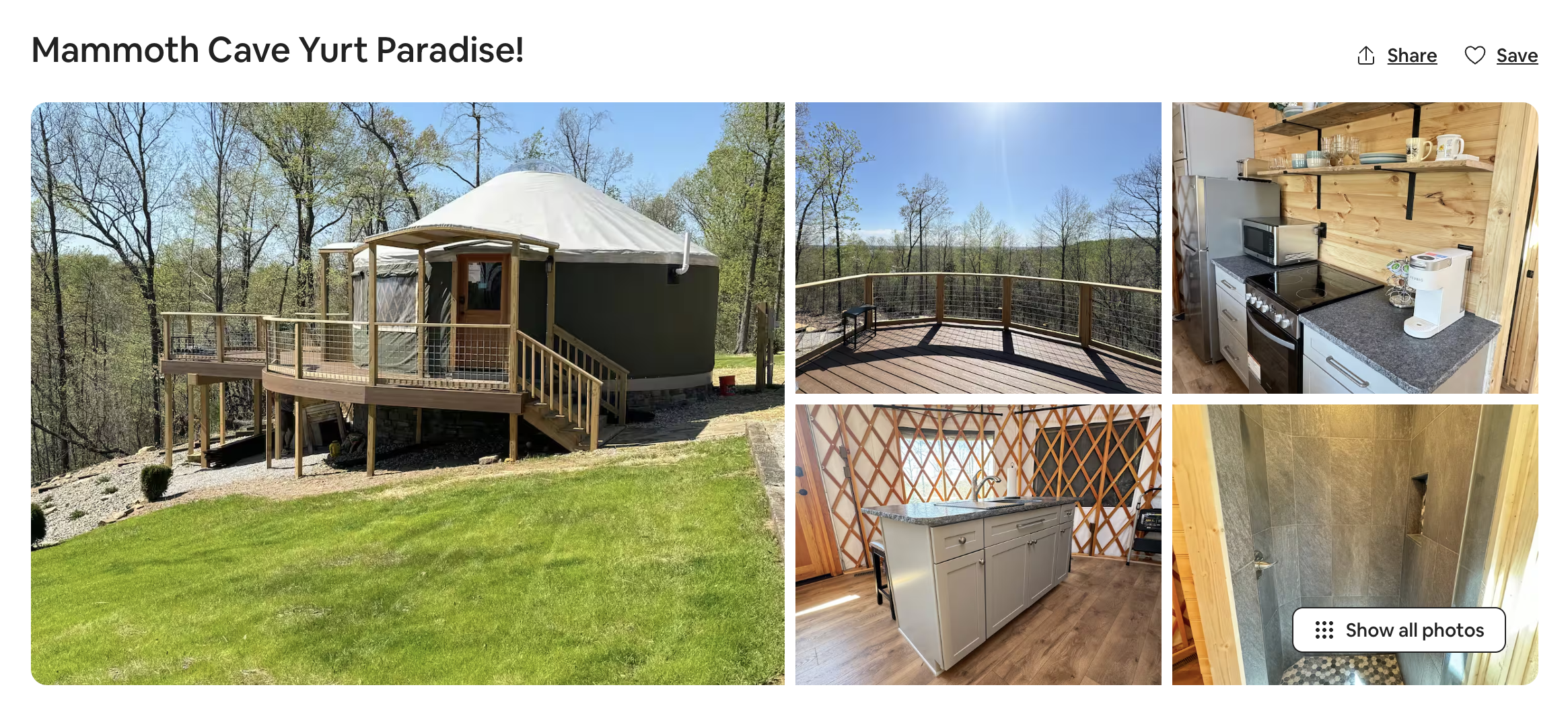
Hospitality is defined as the act of being friendly and welcoming to guests and visitors.
If no one is there to greet you, and provide for your ongoing needs as a guest…then how does staying in a yurt equate to outdoor hospitality?
A yurt is a glamping structure.
Hospitality is something totally different.
I’d be remiss if I didn’t weave in a little AI into this article. It is 2026, after all.
I asked AI “What is outdoor hospitality?” Here is what I got back:
Outdoor hospitality is the business of hosting guests in outdoor or nature-forward settings, providing lodging (and often experiences/services) where the outdoor environment is central to the stay—not just a backdrop.
Not bad. I can roll with that.
AI went on to say:
There’s a fair amount of confusion, mostly because “outdoor hospitality” is used in a few different ways and it overlaps with other categories…
It gets used as a “polite umbrella” for campgrounds/RV parks + glamping.
Some folks mean “campgrounds and RV parks.” Others mean “glamping / cabins / nature resorts.” Both are valid, but the vibe and business model can be very different.“Hospitality” implies service level — but service ranges wildly.
A primitive campground and a luxury eco-lodge both host guests outdoors, but the expectations (staffing, housekeeping, F&B, concierge) aren’t the same.Short-term rentals muddy the water.
A cabin in the woods on Airbnb might be outdoor hospitality if the “outdoor setting” is the core experience and the operator runs it like a hospitality product. But many STRs are just housing inventory in a rural area.Industry terminology isn’t standardized.
You’ll hear adjacent terms like camping industry, parks and campgrounds, glamping, nature-based tourism, outdoor lodging, and outdoor recreation economy—and people swap them casually.
Point 4 may be changing sooner than we think.
There is certainly a movement happening in the hospitality industry as big hotel chains make big money moves to snatch up successful outdoor hospitality destinations. That means terms will become standardized, among other things.
These are true outdoor hospitality destinations that I am talking about here which now belong, in one way or another, to the big hotels.
Under Canvas is now with Hyatt. Then you have Postcard Cabins coming under the Marriott banner as part of their “Outdoor Collection.” Marriott has struck a deal to partner with Trailborn to boost their experiential outdoor travel offering. By partner, I mean acquire. But I can’t say for sure. Then there is Best Western soft-branding in a partnership with Zion Wildflower Resort, and most recently Asheville River Cabins. And of course, the biggest move to date is the Hilton partnership with the glamping giant Autocamp (who call themselves a boutique hotel now?).
There’s also IHG buying Six Senses back in 2019, although this felt more like a hotel buying a resort that featured outdoor spaces and wellness. Not really a stretch from the traditional hotel model.
The other big hotel chains will inevitably follow suit soon.
And as the big players who hold power in the hospitality industry move into the once fiercely independent outdoor hospitality industry…this potentially confusing category will become clearly defined.
I hope what makes outdoor hospitality cool stays in place, regardless of how destinations are eventually categorized.
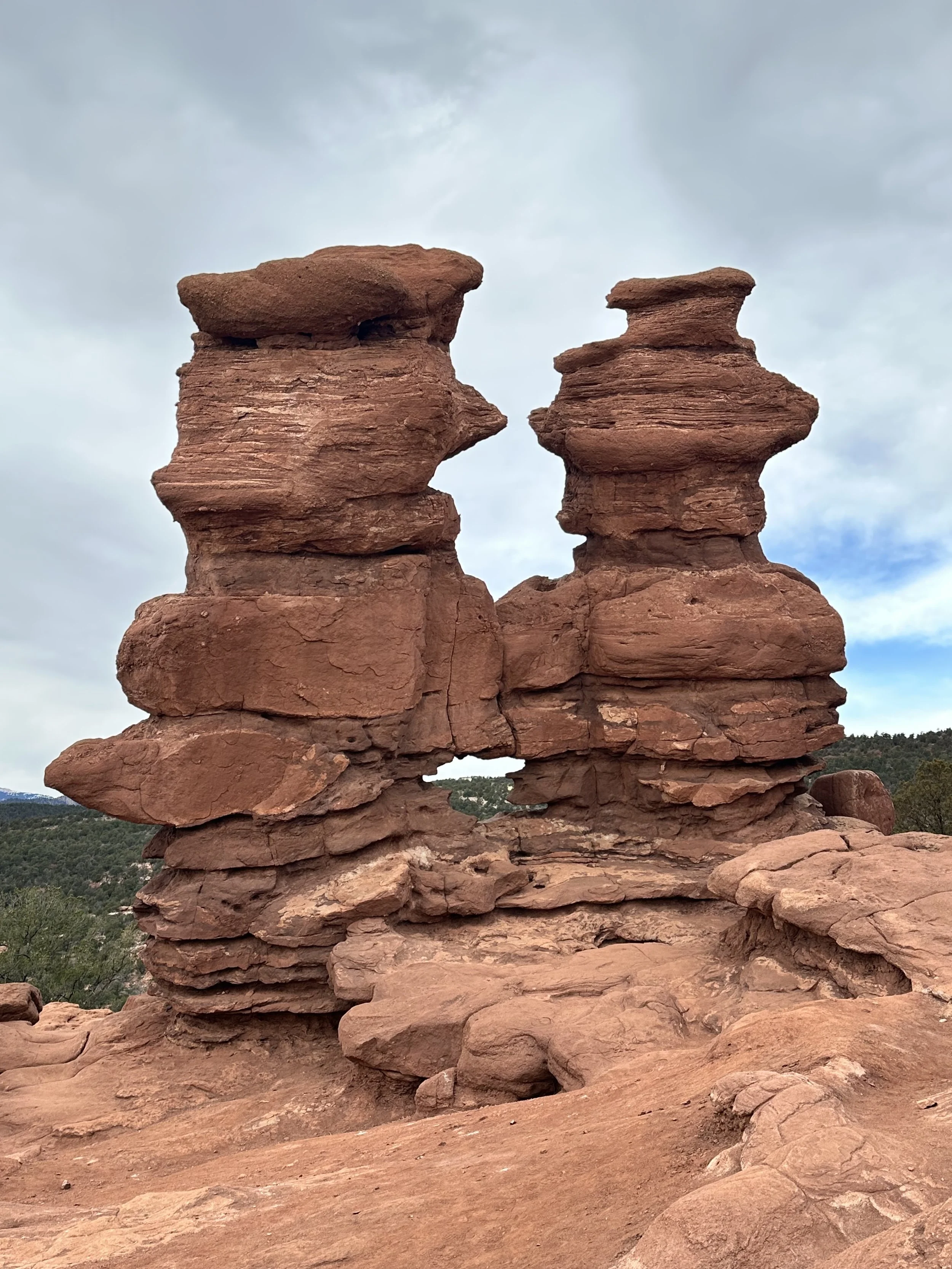
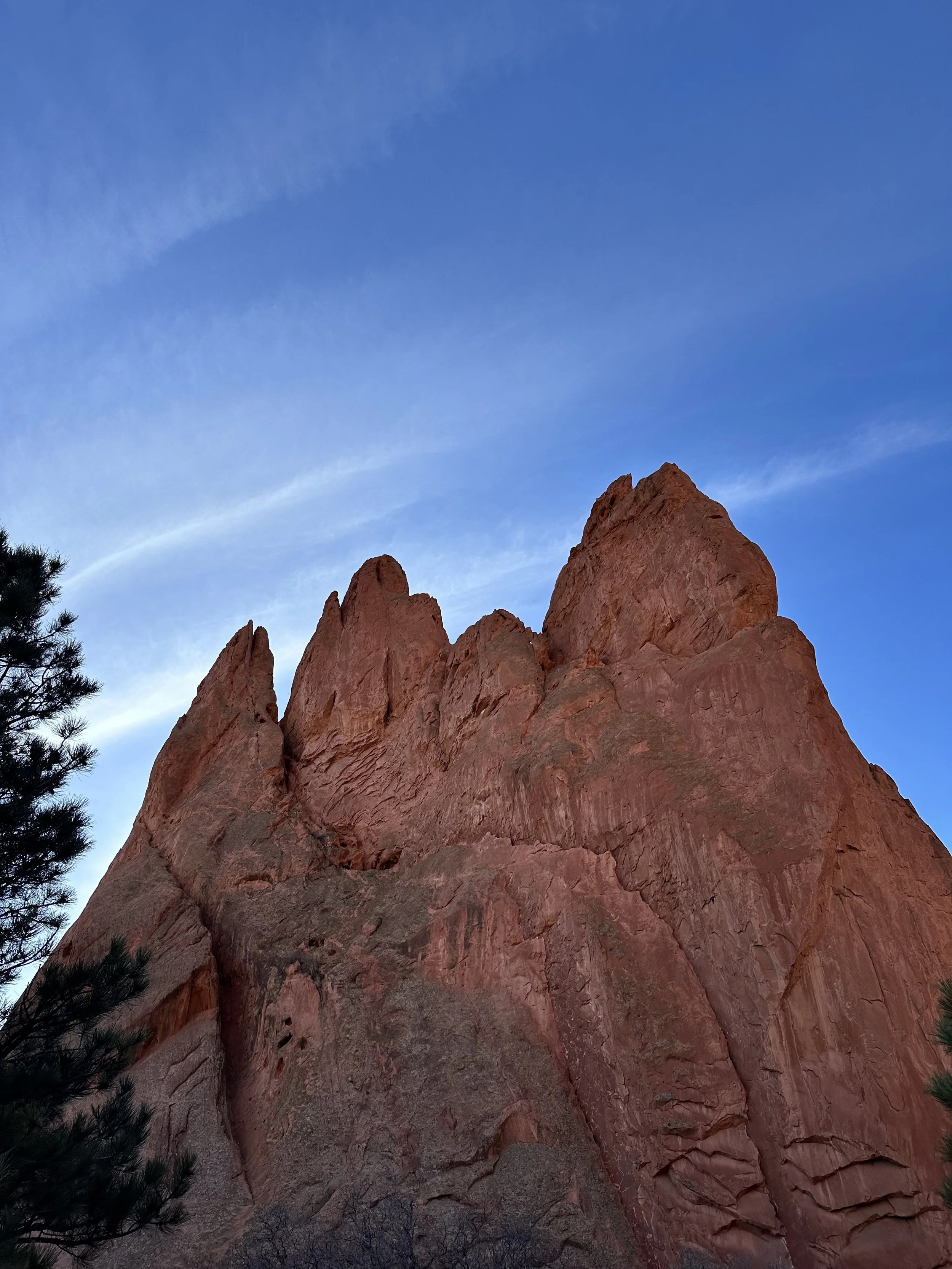
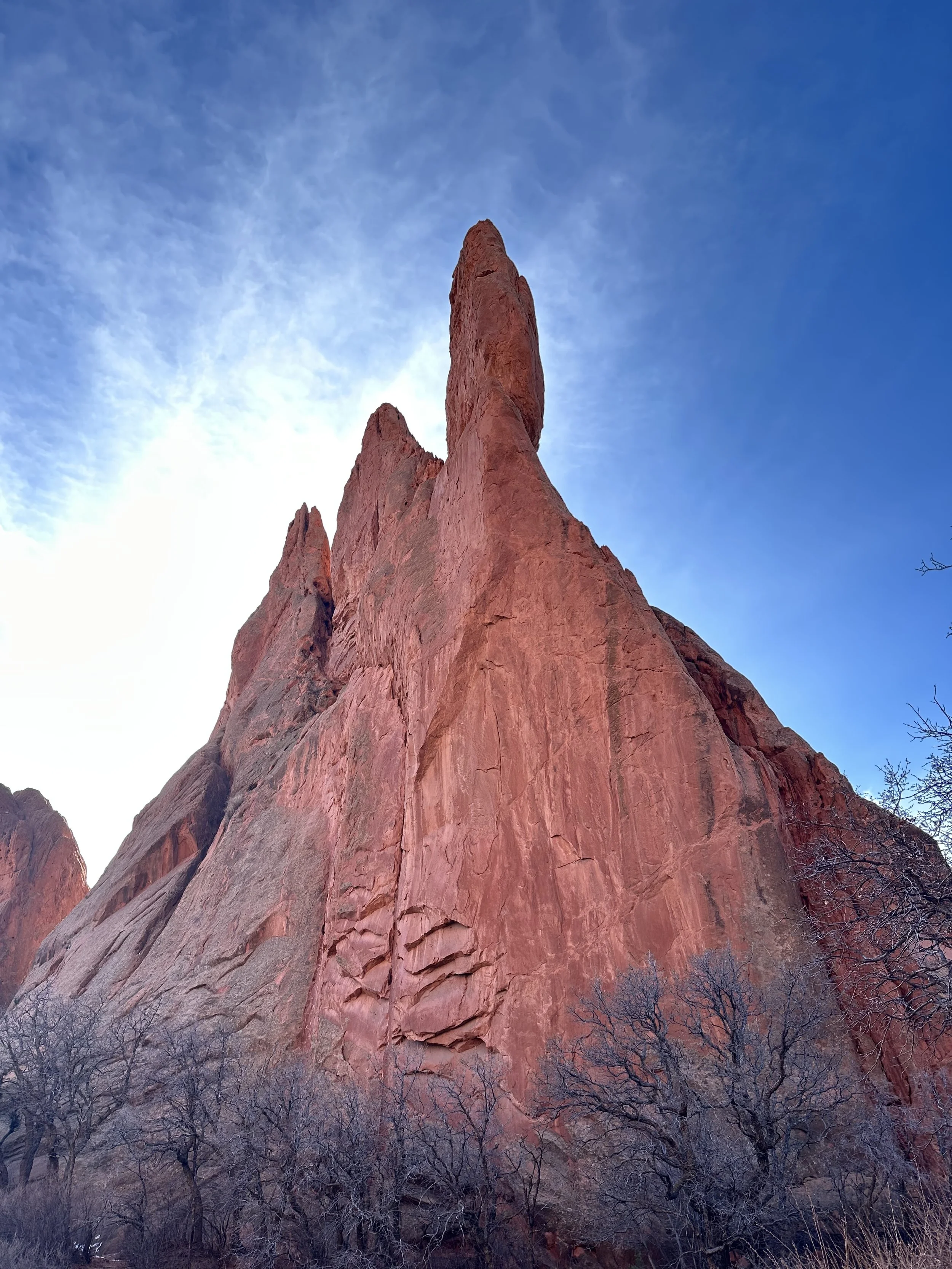
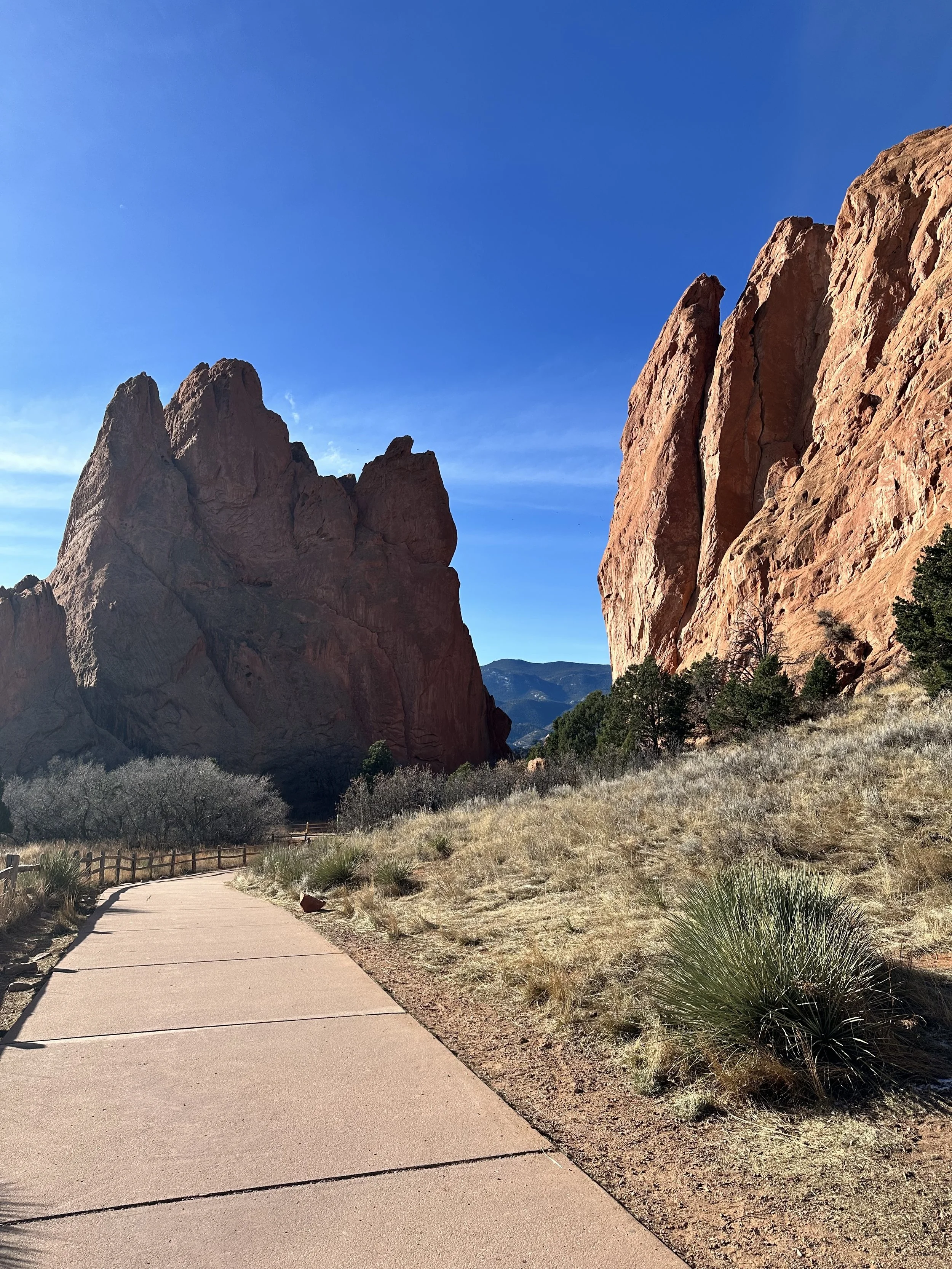
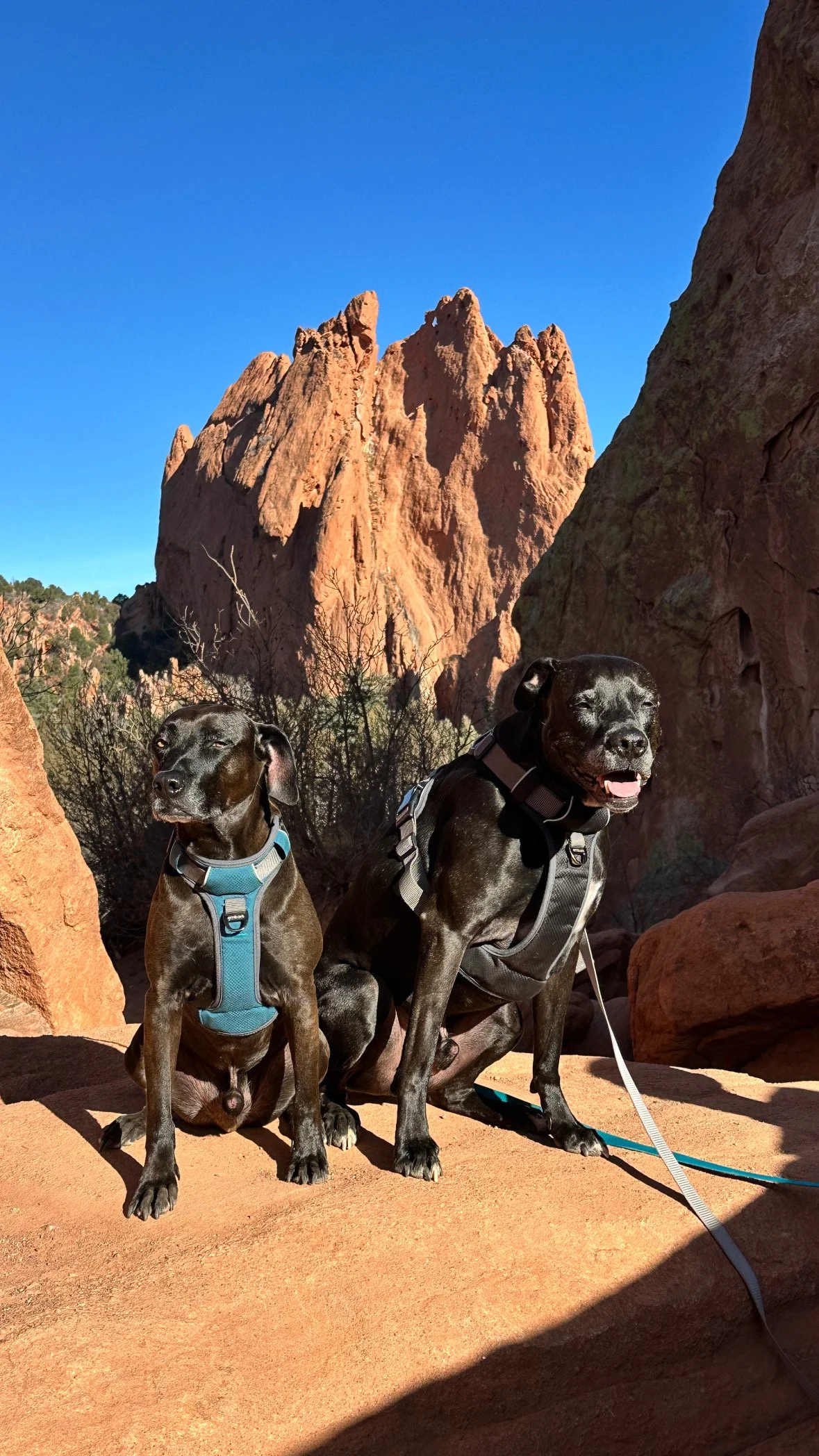
I’ll leave with you with some pics of my new favorite (and maybe the coolest) park - Garden of the Gods. Why? Because being outside is definitely the coolest thing you can do. And that’s the point of this blog… to inspire you to get outside.
Safe travels everyone!
Namasté
I truly appreciate your time and if you’ve enjoyed what you’ve read - please share with your friends.